Welcome to WordPress. This is your first post. Edit or delete it, then start writing!
Blog
-
Professional Kitchen Cleaning for San Diego Homes
I have worked as a residential kitchen cleaning specialist in San Diego for several years, helping homeowners deal with the everyday mess that builds up around cooking areas. My experience includes cleaning compact apartment kitchens, large family cooking spaces, and properties with custom cabinets and expensive countertop materials. I have learned that a kitchen can appear tidy while grease, dust, and food residue remain hidden around appliances and storage areas. I approach each cleaning appointment by examining the condition of the room and identifying the surfaces that need the most attention.
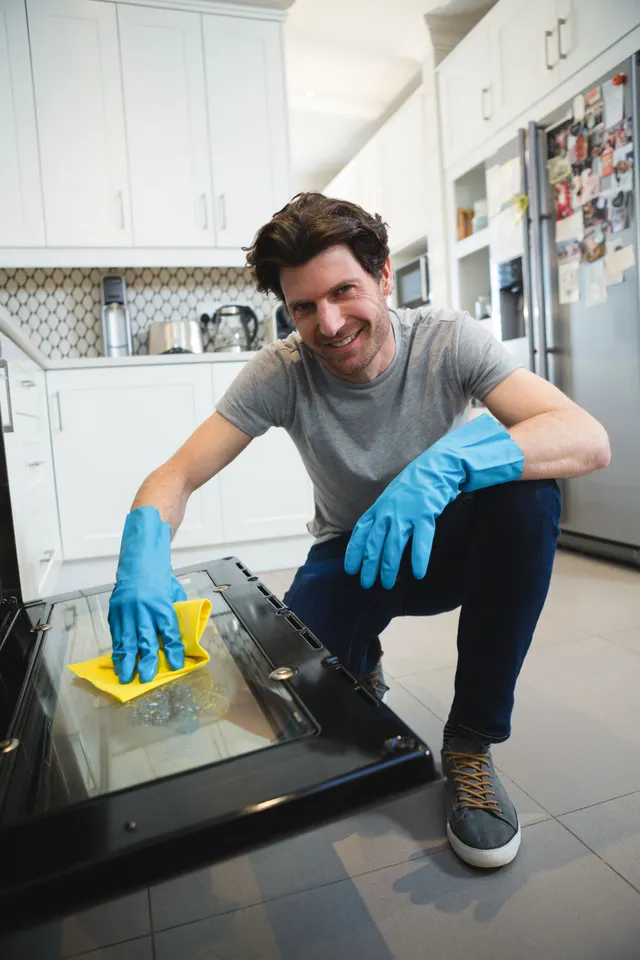
What I Look for During a Professional Kitchen Cleaning
I usually begin by inspecting the kitchen rather than immediately reaching for cleaning products. The condition of the countertops, cabinets, sink, cooking equipment, and flooring tells me how much work the space requires. I also ask homeowners about any delicate finishes or appliances that need special handling. This initial assessment helps me plan the appointment without wasting time on areas that are already well maintained.
One property I cleaned last spring had a relatively new kitchen with attractive cabinets and stone countertops. The homeowner maintained the visible surfaces regularly but had limited time to clean behind small appliances and around the range hood. I found a noticeable layer of grease near the cooking area and dust beneath the coffee machine. After addressing these spots, the kitchen looked much fresher without requiring any changes to its fixtures or furniture.
I pay particular attention to surfaces that receive frequent contact. Cabinet handles, refrigerator doors, microwave buttons, and drawer pulls can collect fingerprints and cooking residue throughout the day. These details are easy to overlook during a quick evening cleanup. I include them in my regular process because they contribute significantly to the overall condition of the kitchen.
The layout also influences my approach. A kitchen with a central island and several preparation areas may need a different cleaning sequence from a narrow apartment kitchen with limited counter space. I divide larger spaces into sections and complete one area before moving to another. This keeps the work organized and reduces the chance of missing less accessible surfaces.
Selecting the Right Professional Kitchen Cleaning Service
I encourage homeowners to compare cleaning providers based on the actual work included rather than choosing an appointment based only on its advertised price. A standard visit may cover countertops, appliance exteriors, sinks, and floors, while detailed cleaning can involve cabinet fronts, backsplash stains, and neglected corners. I recommend asking for a clear description of the service before confirming an appointment. This helps establish realistic expectations about the time and effort required.
Homeowners researching local options can consider professional kitchen cleaning San Diego when looking for assistance with residential cleaning requirements. I suggest reviewing the available service information and discussing any specific kitchen concerns before arranging a visit. If an oven interior, refrigerator shelves, or heavily soiled cabinets need attention, I would mention those tasks during the initial conversation. Clear details make it easier to determine whether the requested appointment covers the entire job.
I also recommend checking whether the cleaning team has experience with different kitchen materials. Natural stone, engineered quartz, laminate, stainless steel, and painted wood each have different cleaning requirements. A product that removes grease from one surface may damage another if used incorrectly. I prefer to identify the material and check suitable cleaning instructions before applying anything unfamiliar.
Another detail I discuss is the availability of cleaning supplies and equipment. Some providers bring their own materials, while others may have specific requirements for certain services. I believe homeowners should clarify this beforehand, especially if they prefer fragrance-free products or have concerns about particular chemicals. These conversations help avoid unnecessary surprises during the appointment.
Removing Grease From Cabinets and Cooking Areas
Grease removal takes a considerable amount of attention in kitchens where cooking happens every day. Oil particles can travel beyond the stovetop and settle on nearby cabinets, walls, and range hood surfaces. Over time, this residue combines with dust and creates a sticky layer that ordinary wiping may not remove. I use a suitable degreasing product and work in small sections to control the cleaning process.
Cabinet finishes determine which products I can safely use. Painted doors may react to strong chemicals, while certain wooden finishes can be affected by excessive moisture. I usually test an unfamiliar product on a hidden section before treating the entire cabinet. A soft microfiber cloth is often sufficient for removing loosened residue without scratching the surface.
The stovetop receives separate attention because food spills can become difficult to remove after repeated heating. I wait until the appliance has cooled before cleaning its surface and removable components. Glass cooktops need particular care because abrasive pads can leave scratches. I follow the manufacturer’s cleaning recommendations rather than assuming every stove can be treated in the same way.
I also inspect the range hood and its filters. The exterior can develop greasy marks around buttons and edges, while filters may need washing or replacement according to the manufacturer’s instructions. Some filters are suitable for washing, while others require a different maintenance method. I check the product information before attempting to clean them.
Protecting Countertops and Food Preparation Surfaces
Countertops are among the most frequently used surfaces in a kitchen, so I give them careful attention during every appointment. Before selecting a cleaning solution, I determine whether the material is granite, marble, quartz, laminate, or another finish. Natural stone may require specific products, and some household cleaners can affect its appearance. I avoid abrasive materials unless the manufacturer’s instructions specifically permit them.
I once worked in a home where the owner had installed a beautiful marble island for food preparation. The surface had developed a few dull-looking areas after repeated use of an unsuitable household cleaner. I explained that certain products can affect natural stone and recommended following the manufacturer’s care instructions. From that experience, I became even more careful about checking countertop materials before starting detailed cleaning.
Backsplashes deserve attention because they collect splashes from cooking and food preparation. I inspect grout lines, corners, and the areas surrounding the stove for accumulated residue. Ceramic tile, glass, and natural stone may each require a different cleaning approach. I use controlled amounts of cleaning solution and avoid allowing liquid to enter electrical openings around outlets and switches.
I keep separate cloths for food preparation surfaces and other kitchen areas. This reduces the risk of transferring grease or dirt from appliances and sinks onto counters where food is handled. After cleaning, I remove any remaining product according to the surface manufacturer’s instructions. The goal is to leave the area clean and suitable for its intended household use.
Detailed Attention to Sinks and Kitchen Appliances
The sink is an area I never rush through. Food particles can collect around the drain, while soap residue and water marks develop near the faucet base. I clean the basin, fixtures, and accessible edges using products suitable for the sink material. Drying the surface afterward helps reduce visible water spots.
Refrigerators require attention inside and outside. I wipe handles and exterior surfaces regularly, while interior cleaning involves checking accessible shelves, drawers, and door compartments. Spilled sauces and forgotten food can create unpleasant odors if they remain for long periods. I recommend removing expired items before a detailed refrigerator cleaning appointment so that the work can focus on the actual surfaces.
Microwaves often contain dried food splashes around the interior walls and ceiling. I use an appropriate cleaning method to soften the residue before wiping the surfaces carefully. The removable rotating plate can usually be cleaned separately according to the appliance instructions. I also clean the handle and control panel without allowing excess moisture near electrical components.
Dishwashers deserve occasional attention too. I inspect the accessible door edges and check for visible food residue around the filter area when maintenance is included. Homeowners should follow the manufacturer’s instructions for cleaning internal components. A dirty exterior can make an otherwise clean kitchen appear neglected.
Floor Cleaning and Hard-to-Reach Kitchen Spaces
I normally clean kitchen floors after finishing the counters, cabinets, and appliances. This prevents crumbs and dust from falling onto a floor that has already been mopped. I begin by sweeping or vacuuming accessible areas, including corners and spaces near cabinet bases. Once loose debris has been removed, I use a suitable floor cleaning method.
Tile floors may require extra attention around grout lines, particularly near the stove and sink. I use an appropriate product and a soft brush when ordinary mopping does not remove the buildup. Laminate and vinyl flooring require controlled moisture because excessive water can affect certain joints and edges. I always consider the flooring manufacturer’s recommendations before choosing a cleaning solution.
Small gaps around kitchen appliances are another area I inspect. Crumbs can collect underneath movable carts, beside refrigerators, and behind countertop equipment. I clean these spaces whenever they are safely accessible. Heavy appliances should not be moved without considering their electrical, gas, or water connections.
I also check the area around trash containers. Food residue can leak from waste bags and create sticky marks on nearby cabinet surfaces and flooring. Cleaning the container itself can help prevent unpleasant odors. I usually recommend including this task in a detailed kitchen maintenance routine.
How I Maintain Results Between Professional Visits
I advise homeowners to maintain a few simple habits instead of waiting until the kitchen requires another intensive cleaning session. Wiping countertops after preparing meals, cleaning fresh spills, and rinsing the sink can prevent many common problems. These tasks take only a few minutes when handled regularly. I have found that consistent maintenance makes professional cleaning appointments easier and more productive.
For households that cook daily, I recommend checking the stovetop and backsplash several times a week. Cabinet handles and appliance exteriors can be wiped whenever fingerprints or grease become visible. Floors may need daily sweeping in busy homes, especially when children or pets frequently enter the kitchen. A more detailed appointment can focus on areas that need additional time.
I also encourage homeowners to organize their cleaning supplies. A few microfiber cloths, a suitable countertop cleaner, dish soap, and an appropriate floor product can handle many everyday tasks. I keep different cloths for counters, sinks, and floors to maintain better cleaning practices. Products should remain in their original containers, and incompatible chemicals should never be mixed.
My experience cleaning San Diego homes has taught me that a well-maintained kitchen depends on paying attention to details that are easy to overlook. Professional cleaning is particularly useful when grease, appliance residue, or neglected surfaces require more time than a normal household routine allows. I recommend discussing the exact tasks, materials, and condition of the kitchen before selecting a cleaning appointment. With sensible maintenance and occasional detailed care, I can help homeowners keep their cooking spaces comfortable and ready for everyday use.