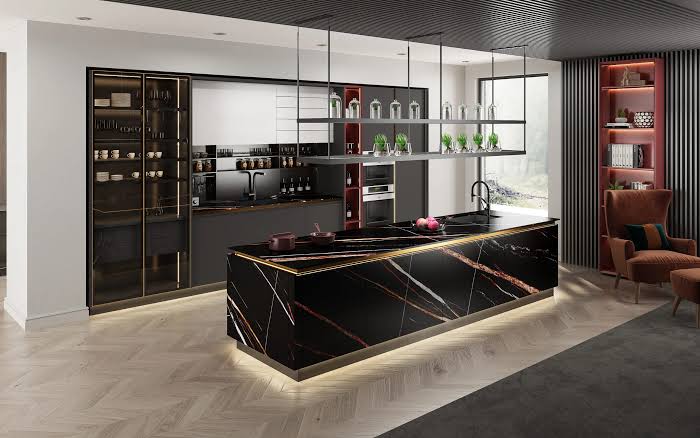
A kitchen is one of the most frequently used spaces in any household, making its design and organization especially important. It is where daily meals are prepared, groceries are stored, and family members often gather to spend time together. A comfortable kitchen should provide enough room for everyday activities while maintaining an attractive appearance. With thoughtful planning, even an ordinary space can become a practical and inviting part of the home.
When considering kitchen improvements, the overall layout should be the first priority. The cooking area, sink, refrigerator, and preparation surfaces need to be positioned in a way that supports convenient movement. A poorly arranged kitchen can make simple tasks frustrating, particularly when several people are using the space. Keeping enough distance between appliances and work areas helps create a safer and more comfortable environment.
Cabinet selection is another important part of kitchen planning. Cabinets provide storage for plates, glasses, cookware, cleaning supplies, and everyday ingredients. Their design can also influence the entire appearance of the room. Natural wood finishes create a traditional atmosphere, while smooth, handleless cabinets offer a modern look. Homeowners should focus on strong materials, quality hinges, and practical internal storage when choosing new cabinetry.
Countertops need to combine durability with everyday convenience. They are regularly exposed to water, heat, food ingredients, and cleaning products, so choosing an appropriate material is essential. Quartz and granite are popular options because of their attractive finishes and durability. Laminate can also be suitable for kitchens where affordability is a major consideration. Having sufficient countertop space makes food preparation easier and provides room for frequently used appliances.
Another feature that can improve a kitchen is a well-designed pantry. Instead of keeping groceries scattered across different cabinets, a dedicated storage area allows ingredients to remain organized and accessible. Adjustable shelves, labelled containers, and pull-out baskets can make pantry storage more efficient. Keeping similar products together also helps homeowners monitor supplies and avoid buying items they already have.
Lighting plays an important role in creating a pleasant cooking environment. Natural daylight can make a kitchen feel more open, while artificial lighting ensures that preparation areas remain visible after sunset. Under-cabinet lights are useful for illuminating countertops, and ceiling fixtures provide general brightness. Decorative pendant lights can introduce additional character, particularly above an island or breakfast counter.
Choosing appropriate appliances can make everyday kitchen activities more efficient. Modern refrigerators, ovens, dishwashers, and cooking ranges are available in different sizes and configurations. Energy-efficient models can help reduce electricity consumption, while easy-to-clean finishes simplify maintenance. Before purchasing anything, homeowners should measure the available space and check the appliance’s installation requirements.
A kitchen should also be designed with cleanliness in mind. Surfaces that are easy to wipe down can reduce the effort required for daily maintenance. Sinks should be cleaned regularly, food waste should be disposed of properly, and refrigerators should be checked to maintain suitable food storage conditions. Good ventilation is equally important because cooking generates moisture and odors that can affect the surrounding rooms.
Small decorative additions can give the kitchen a more personal appearance. Indoor plants, attractive storage jars, simple wall decorations, and coordinated accessories can introduce warmth without creating unnecessary clutter. Choosing a consistent colour scheme helps different elements work together and creates a balanced interior.
Homeowners should also consider how their kitchen might need to change in the future. Household sizes, cooking habits, and storage requirements can develop over time. Flexible shelving, additional electrical outlets, and durable finishes can make future adjustments easier. Planning ahead can prevent unnecessary renovation expenses and help preserve the usefulness of the space.
A thoughtfully planned kitchen offers more than visual appeal. It creates an environment where cooking feels convenient, household supplies remain organized, and family activities become more enjoyable. By focusing on practical layouts, quality materials, suitable appliances, and regular maintenance, homeowners can build a kitchen that meets their needs and continues to feel welcoming for years.
Leave a Reply