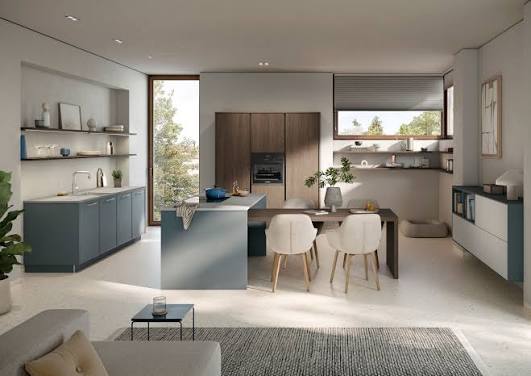
A kitchen should be a comfortable and practical space that makes everyday household activities easier. It is where ingredients are prepared, meals are cooked, and family members often spend time together. Whether someone enjoys experimenting with new recipes or prefers preparing simple meals, having an organized cooking environment can make a noticeable difference. A carefully planned kitchen combines useful features with a welcoming atmosphere.
One of the first things to consider when improving a kitchen is the available floor space. Every household has different requirements, so the layout should be designed around its daily routines. A family that cooks frequently may need larger preparation counters and additional storage, while someone living alone might prefer a compact arrangement with fewer appliances. Keeping the main working areas accessible helps prevent unnecessary movement and makes the space easier to use.
Cabinets are essential for maintaining an organized kitchen. They provide storage for cookware, dishes, glasses, ingredients, and cleaning supplies. Choosing cabinets with practical internal compartments can make it easier to find items without searching through crowded shelves. Soft-close drawers, pull-out baskets, and corner organizers are useful additions that improve accessibility. Their finishes should also complement the flooring and countertops to create a balanced appearance.
The countertop is another important feature because it serves as the main preparation surface. It should provide sufficient room for chopping vegetables, mixing ingredients, and arranging cooking equipment. Materials such as quartz, granite, and laminate offer different advantages depending on budget and maintenance preferences. Selecting a surface that is easy to clean and suitable for regular use can help maintain the kitchen’s appearance.
Appliance placement should be planned carefully to create a convenient working environment. The refrigerator should be easy to access without interrupting people working near the cooking area. Ovens and cooktops need suitable ventilation and sufficient surrounding space, while dishwashers should be positioned conveniently near the sink. These small planning decisions can improve the overall efficiency of the room.
Lighting is another element that should never be ignored. A kitchen needs enough brightness for preparing ingredients, reading measurements, and cleaning surfaces. Ceiling lights can illuminate the entire room, while under-cabinet fixtures provide focused lighting for countertops. Natural light from windows can make the space feel more open and pleasant. Combining different lighting sources creates a comfortable environment throughout the day.
Flooring also contributes to the kitchen’s appearance and functionality. Since spills and heavy foot traffic are common, the material should be durable and easy to maintain. Ceramic tiles, porcelain flooring, and quality vinyl are popular choices for residential kitchens. Homeowners should consider cleaning requirements, surface texture, and resistance to everyday wear before making a final decision.
Proper ventilation helps maintain a fresh and comfortable indoor environment. Cooking produces heat, steam, and odors that can spread into nearby rooms. An extractor hood can remove much of this unwanted air, while windows provide additional natural ventilation. Regularly cleaning filters and checking ventilation equipment helps maintain effective performance.
Keeping the kitchen organized requires regular attention. Food products should be stored properly, frequently used utensils should remain accessible, and unnecessary items should be removed from countertops. Cleaning sinks, work surfaces, and appliances after use prevents dirt from accumulating. A simple daily routine can save time and make larger cleaning tasks less demanding.
Personal style can be introduced through carefully selected decorative details. A colourful backsplash, attractive cabinet handles, wooden accessories, or a few indoor plants can add character to an otherwise simple kitchen. These additions should complement the existing design without interfering with practical working areas.
Ultimately, a good kitchen is not defined by its size or the price of its materials. Its real value comes from how comfortably it supports everyday activities. A functional layout, reliable appliances, organized storage, suitable lighting, and consistent maintenance can create a space that people genuinely enjoy using. With the right approach, any kitchen can become a practical and welcoming part of the home.
Leave a Reply