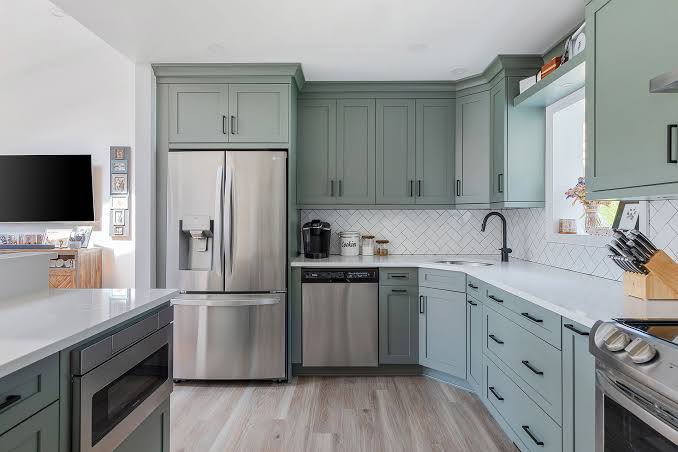
Every home needs a kitchen that makes everyday cooking and household activities comfortable. It is a space where people prepare meals, share conversations, and develop routines that bring families closer together. A well-maintained kitchen can also improve the appearance and functionality of an entire property. Creating such a space does not always require an expensive renovation, as thoughtful improvements and practical organization can make a significant difference.
A successful kitchen design begins with a layout that supports daily activities. The placement of the sink, refrigerator, cooking range, and preparation counters should allow people to move around comfortably. Homeowners should also consider how much working space they need and whether additional storage would make their routines easier. A simple layout with clearly defined areas can often be more useful than a complicated design filled with unnecessary features.
Colour choices help establish the overall atmosphere. White, cream, and light grey are popular because they create a clean and spacious appearance. Natural wood finishes can introduce warmth, while darker cabinets offer a more contemporary look. Combining two complementary colours is another way to add visual interest without making the room feel overwhelming. The important thing is to choose a design that remains attractive over time.
Storage solutions can transform the way a kitchen functions. Cabinets with adjustable shelves, deep drawers, and pull-out organizers provide convenient places for cookware, dishes, and groceries. Smaller kitchens can benefit from vertical shelving and wall-mounted storage because these options make use of otherwise unused areas. Keeping everyday items within easy reach also reduces the time spent searching through cupboards.
Work surfaces deserve particular attention because they are used throughout the day. A suitable countertop should provide enough room for preparing ingredients, placing appliances, and handling different cooking tasks. Quartz, granite, solid surfaces, and laminate each offer different benefits. The right choice depends on the available budget, preferred appearance, and level of maintenance the homeowner is comfortable with.
Modern kitchen technology has introduced many useful features that improve convenience. Energy-efficient ovens, induction cooktops, smart refrigerators, and quiet dishwashers can support busy household schedules. Some appliances include programmable settings that make meal preparation easier, while others help monitor energy consumption. Before investing in new equipment, it is important to consider whether its features will genuinely benefit everyday life.
A comfortable kitchen also needs good ventilation. Cooking can release smoke, steam, grease particles, and strong odors that affect indoor air quality. An extractor hood helps remove these unwanted elements, while opening windows can improve natural airflow. Regularly cleaning ventilation filters is important because accumulated grease can reduce their effectiveness.
The flooring should be selected with everyday use in mind. Kitchen floors experience frequent movement, occasional spills, and regular cleaning. Porcelain tiles, ceramic surfaces, and quality vinyl flooring are practical options for many households. A suitable floor should be easy to maintain and provide reasonable resistance to slipping. Its colour and texture should also complement the rest of the interior.
Cleanliness is another essential part of maintaining a pleasant cooking environment. Washing dishes regularly, wiping preparation surfaces, and cleaning appliances can prevent dirt from accumulating. Food storage areas should be checked frequently to remove expired ingredients and organize supplies. Establishing a simple cleaning routine makes the kitchen easier to manage, even when household schedules become busy.
Personal touches can make the kitchen feel more welcoming. A small collection of indoor herbs, attractive containers, decorative lighting, or comfortable breakfast seating can introduce character without reducing functionality. These details help create a space that feels connected to the rest of the home rather than simply serving as a place for cooking.
Ultimately, a good kitchen should support the people who use it every day. Its design should reflect practical requirements, personal preferences, and available space. By choosing durable materials, organizing storage carefully, maintaining appliances, and paying attention to cleanliness, homeowners can create a kitchen that remains comfortable, attractive, and useful for many years.
Leave a Reply